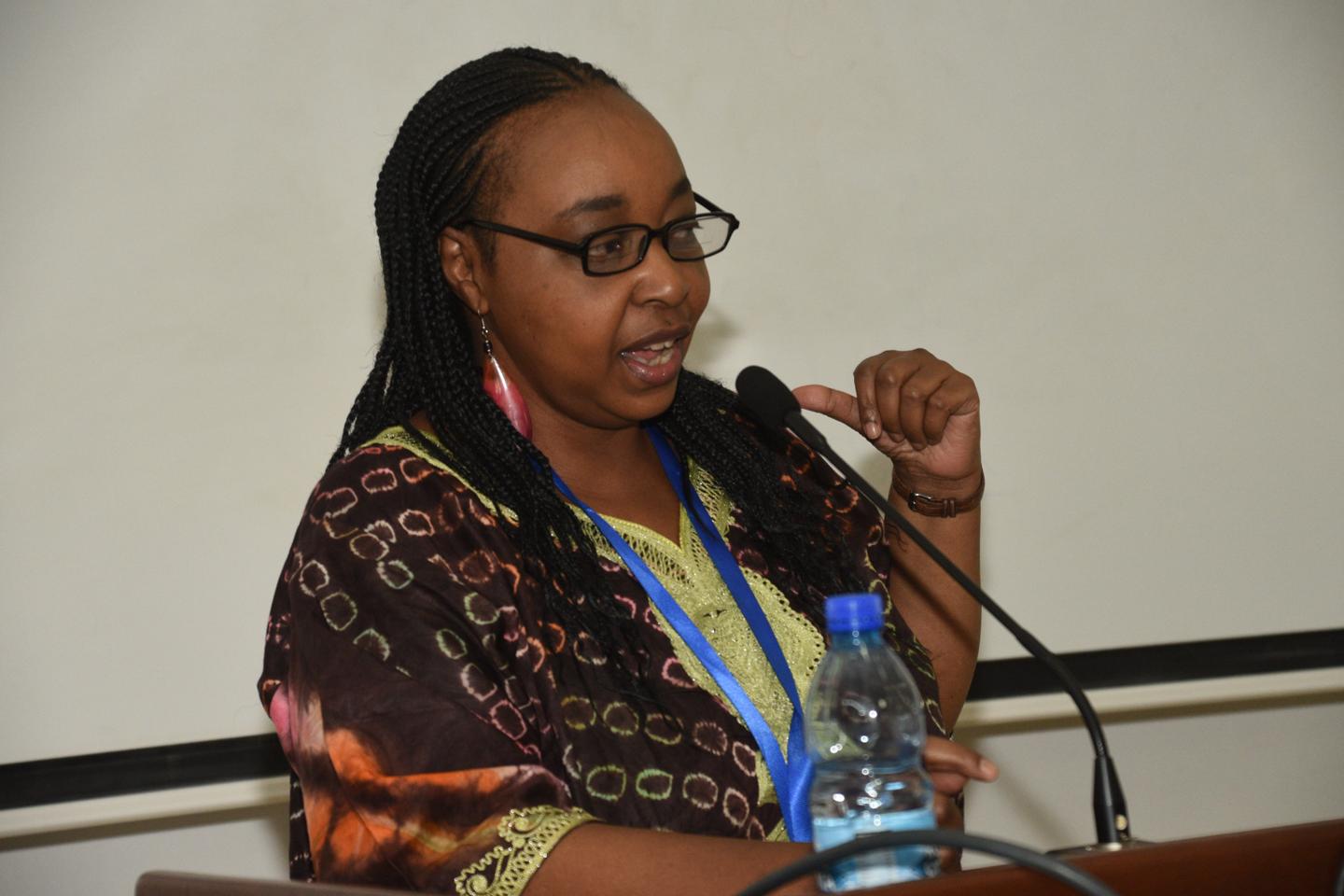
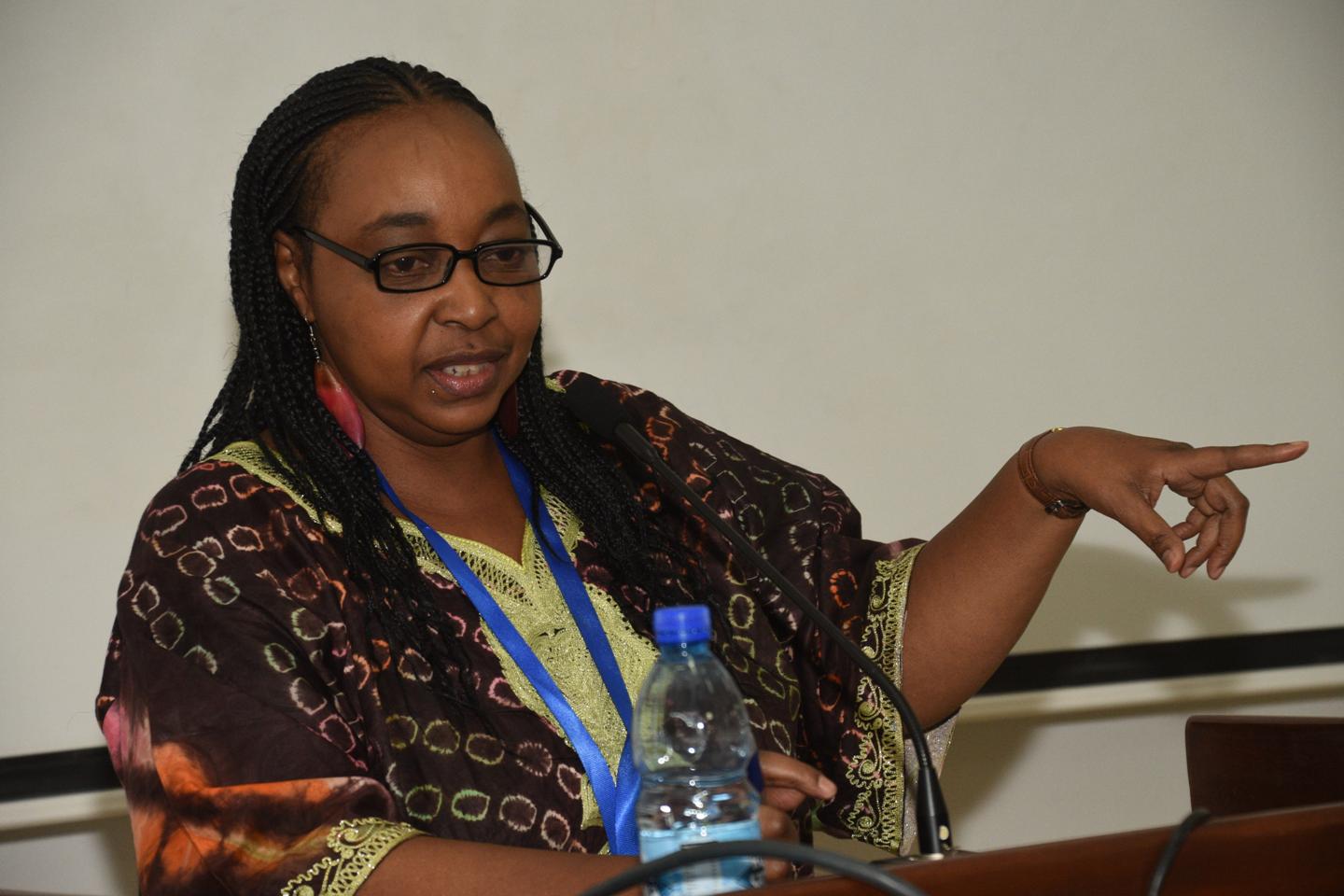
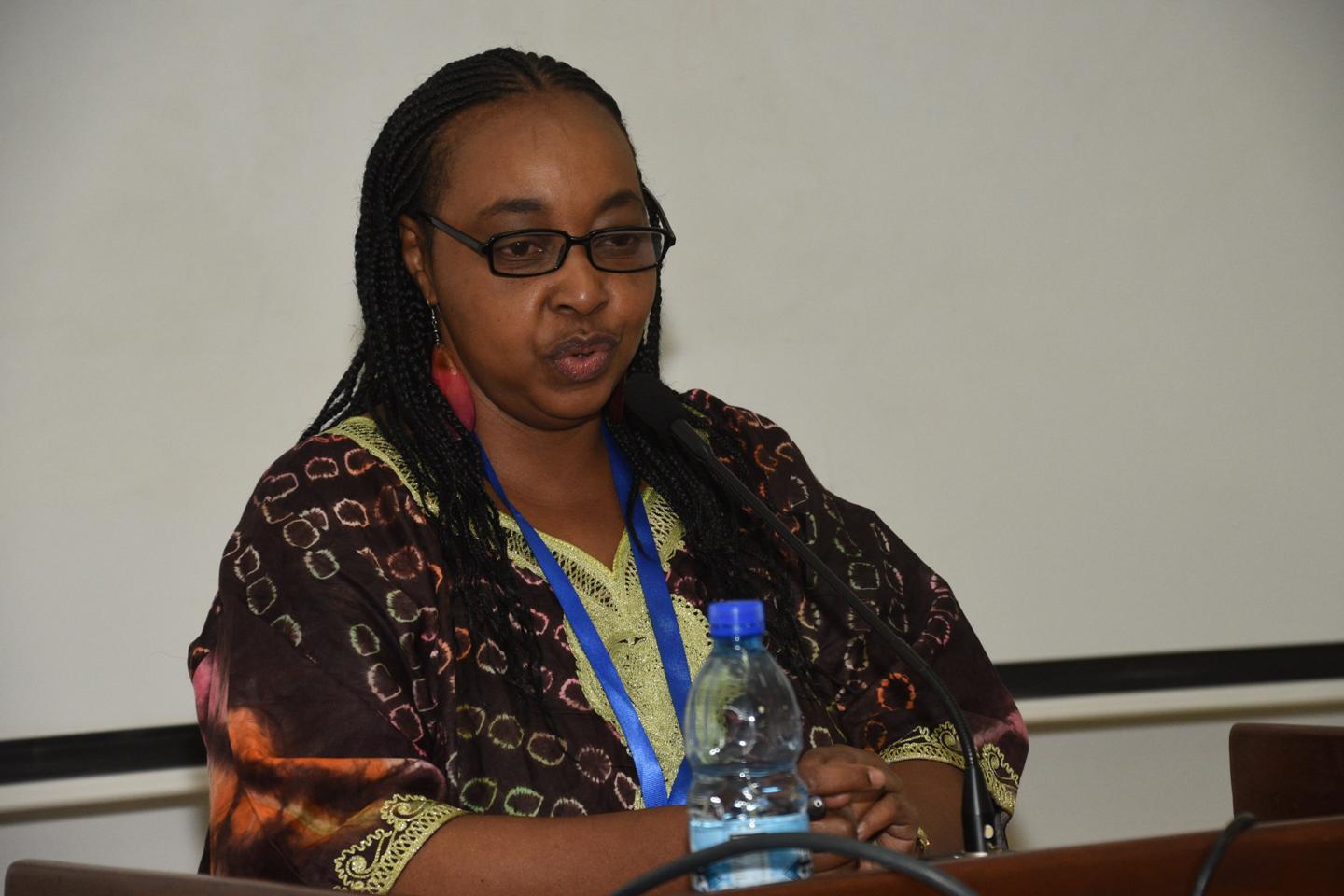
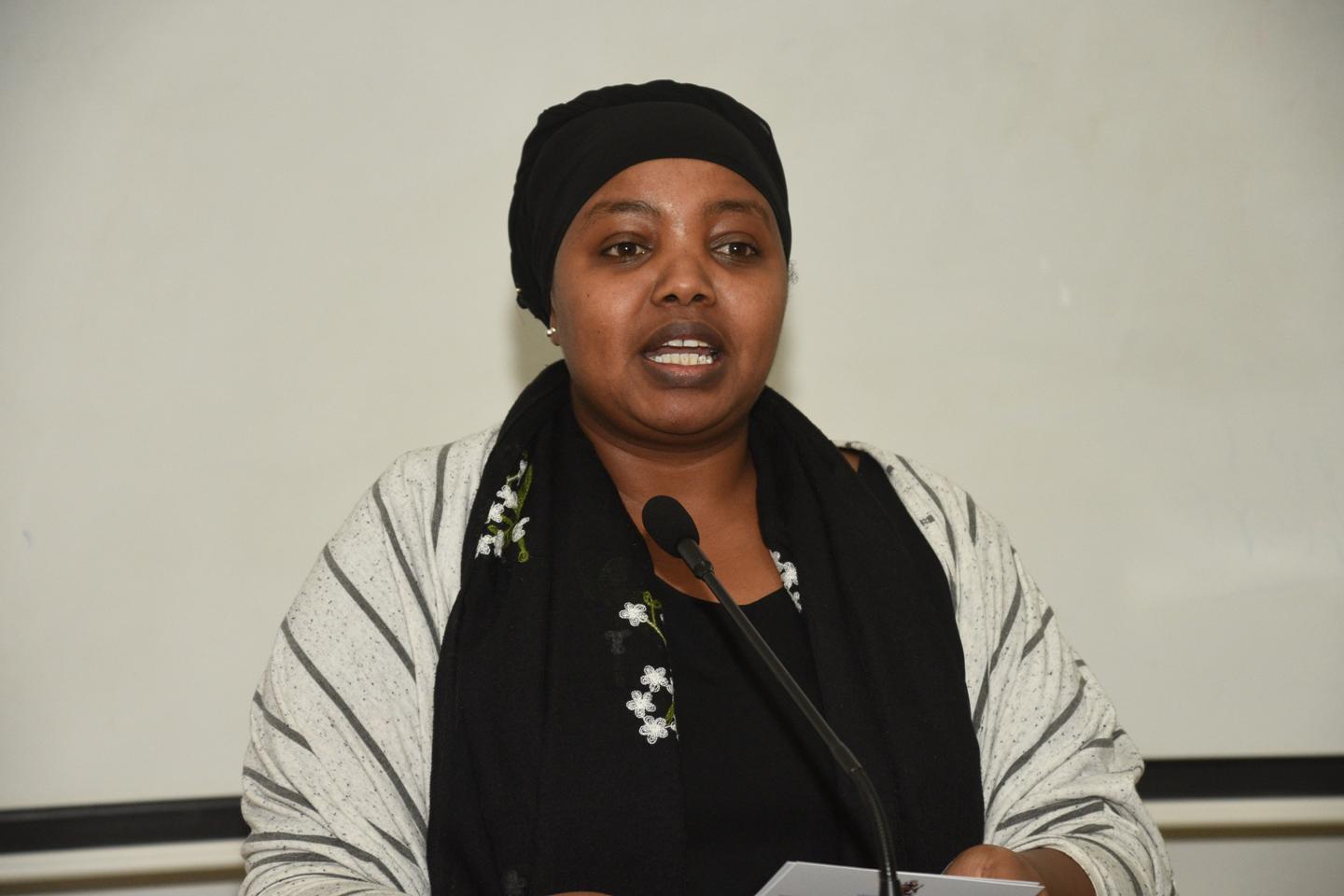
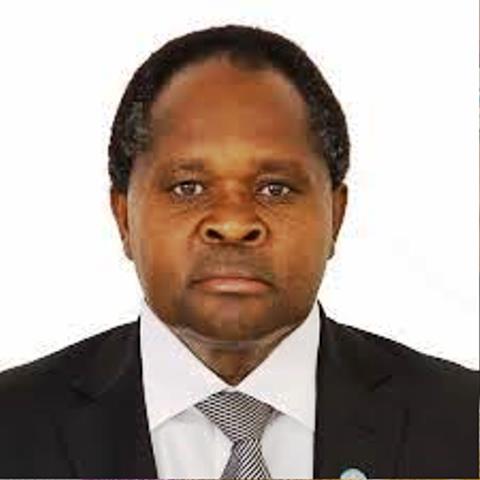
Linda Were

Submitted by Jobkims on April 22, 2021

Environmental, social and governance concerns from stakeholders continue to pose risks to development projects such as lose of social licence to operate, reputational risks and loss of investors consequently leading to project delays and loss of jobs. ESG and sustainability are at the core of IDS which has equipped me with requisite skills and knowledge on holistically assessing infrastructure projects across Africa from an environmental, social and economic point of view and coming up with safeguard policies and strategies on how to manage the risks.




Complementary options to development of underdevelopment: Lessons from the use of community currencies in Kenya

Submitted by wnyukuri on March 19, 2021

Governments and non-governmental organizations around the world have embraced community or complementary currencies (CCs) as tools of poverty reduction, environmental protection and promotion of social solidarity. Community Currencies are best viewed as a financial innovation to assist local-level development and are seen as a new age poverty-reduction strategy. Popular CCs include: FureaiKippu (Japan), Red De Turque (Argentina), Ithaca Hours (United States), Bristol Pounds (United Kingdom) and Chiemgauer (Germany).

Devolution in Kenya: Strengthening Systems for Public Participation

Submitted by wnyukuri on March 19, 2021

The Kenyan legal framework obligates the national and county governments to involve the
people in the decision making process. To achieve this ideal, county governments are required
to establish structures to facilitate citizen participation in their operations. This policy brief sheds
light on some of the issues that counties should focus on so as to institutionalize and strengthen
systems for public participation in county decision making processes.

Devolution in Kenya: Strengthening Systems for Monitoring, Evaluation and Reporting

Submitted by wnyukuri on March 19, 2021

To track progress in service delivery and inform decision making, counties are required to
create systems for monitoring, evaluation and reporting. This policy brief sheds light on some
issues that counties should focus on to strengthen their monitoring, evaluation and reporting
systems.

Please click on this link to access the policy brief

17March
2.00 - 4.00 PM EAT  -  Online https://meet.google.com/sqr-eujt-tbj
The Kenya Transport Research Network (KTRN) is delighted to welcome you to We
What do Kenyans Know About Devolution? Survey Evidence on Political Knowledge and Public Opinion

Kenya’s devolved system seeks to strengthen service delivery by localizing public participation in policy and legislative processes. However, this objective assumes the existence of high levels of civic competence and citizens’ ability to correctly attribute responsibility to different tiers of government. This raises an important question: What do Kenyans know about devolution and its implications for access to government services, public participation, inter-governmental division of labour, and subnational politicians’ performance?

Climate change in Kenya: Evaluation of the knowledge among Kenyan university students and their willingness to adopt individual mitigation measures

The main goal of this research was to determine what Kenyan university students know about climate change in Kenya and the personal mitigation actions they were prepared to take. Additionally, the study was to establish what influences their knowledge about climate change, and about the knowledge on environmental benefits had on the environmental-friendly behaviours they were willing to adopt. The research shows that the more students know about climate change, the more actions they also do at present.

Informal workers' participation in Kenya's National health Insurance scheme: A case of urban petty traders

Presently, there is a global push to extend health insurance to informal workers in developing countries. In Kenya, for instance, the National Health Insurance Fund (NHIF) has taken measures to provide health insurance coverage to informal sector workers through a voluntary contributory scheme. However, the uptake and retention of these workers in the scheme is low. This raises the question: how are institutional mechanisms and processes affecting participation of informal workers in the scheme?
Health Insurance and the pursuit of 'health care for all' in Kenya

Central to its commitment to achieving 'universal health coverage' for all its citizens, the Kenya government continues to promote the expansion of national health insurance, NHIF, to include the informal sector, free maternal healthcare, and health insurance subsidies for the vulnerable populations. Additionally, the government promises a more equitable and inclusive health system and financial protection, a move that invites citizens to feel entitled to healthcare access and welfare.
Subscribe to